
It is the habit of the electorate, and with good cause, to blame politicians when things go wrong. The United States, along with other nations, has suffered severe shortages of food, medicine, numerous grocery stock items and industrial components. In large part, the shortages were caused by pandemic interference with the shipping and processing companies that ship products to retail outlets. The politicians could do little more than watch.
In a PBS broadcast of NOVA last night, a viewer becomes aware that the supply chain itself is vulnerable to mishaps that can cause worldwide shortages. Container-carrying ships of massive size (as long as four football fields) carry unbelievable volumes of goods; for just one of these ships to fail in delivery, many smaller businesses can fail because their shelves are empty.
The NOVA episode analyzed the impact of one of these container ships blocking the Suez Canal. The Suez Canal is located in Egypt and is a key link between Asian shipping and Mediterranean shipping. Unfortunately, it is only one lane wide. If something blocks the Canal, hundreds of ships are held up at both ends – hence shortages on retail shelves. In the NOVA piece, one ship runs aground and stops all shipping, perhaps a thousand of these large container ships.
The reason this caught the interest of mariner is because ‘shipping’, aka ‘supply chain’ is the verb in the future of global economics. In the last century the concept for international trade was based more on trade agreements, e.g., “I’ll swap you two sheep for ten chickens and if you give me any trouble, I’ll slap a tariff on you.”
Needless to say, communication technology in this century has made the delay and overhead of trade agreements too expensive and too subject to circumstantial politics. What has become possible, however (if ships don’t run aground in canals), is an international arrangement where each nation can collaborate at the production level – thereby speeding productivity and increasing volume such that world markets may be available instead of piecemeal nation-to-nation deals.
A comical metaphor but perhaps it can clarify the new advantage: Nation 1, a large, rich nation that acts as an anchor to the supply chain, says to nation 2, the chicken producing nation, “You can grow chicken feet faster than I can but I can grow chicken heads faster than you can. We can save 25 percent of the time it takes to grow chickens if you send me your chicken feet. Then you’ll have room to grow even more chicken feet.” The anchor nation plays the additional role of an insurance company by covering market shifts, weather, etc.
Understanding this model, a move toward global economic domination, explains why China, the US, India, the European Union, South America (resource rich) and the Pacific Rim nations (Australia, South Korea, Japan et al) are jockeying hard to monopolize supply chains.
Except for Putin. He doesn’t understand the principle of sharing. It is important to know that Trump and his cronies don’t either.
Lest we forget, there is only one issue that will dominate world economics even more than global supply chains – global warming.
Ancient Mariner
 Guru speculates that as many as three different regional wars may erupt similar to the Ukraine-Russian war because of regional, longstanding issues:
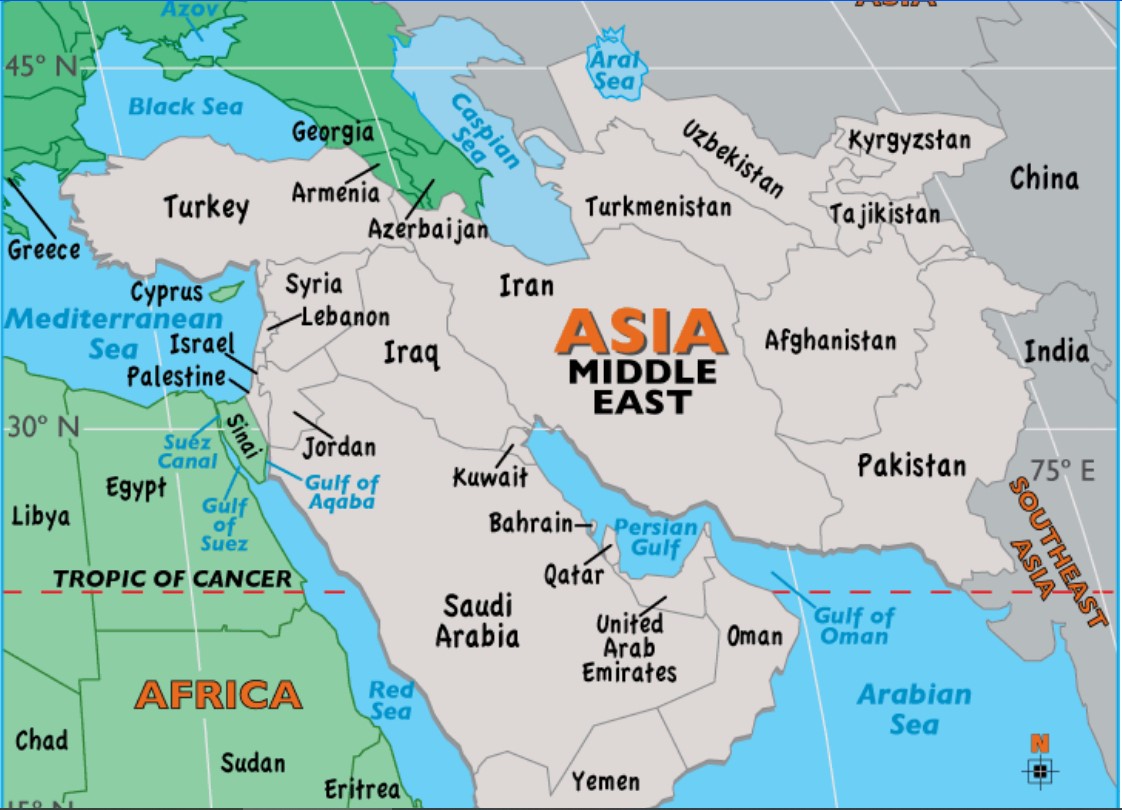 Saudi Arabia and Iran are seeking more power through unification but common human struggle exists throughout the region. The West counterparts may involve Europe, Greece, Israel, India and the United States.
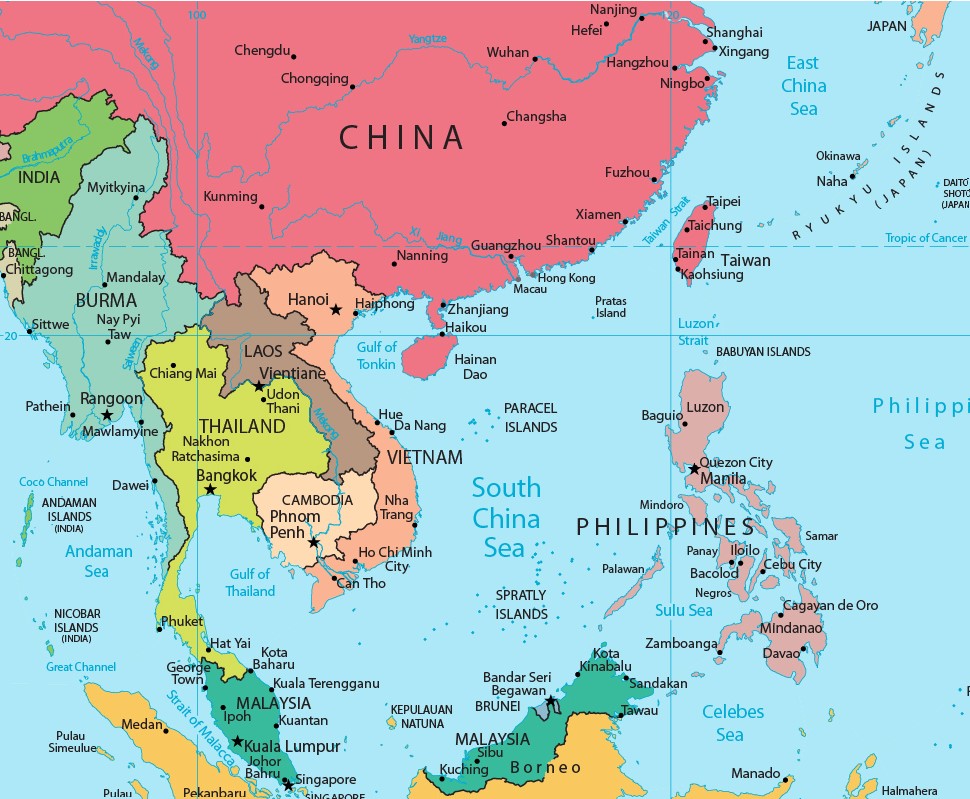 that includes a current sore spot, Tibet, where a current conflict is China’s genocidal policy against Uyghur Buddhists. Beyond Tibet are a number of nations that depend on independent trade that China would like to own – Bangladesh, Nepal, Myanmar, Burma, Thailand, Cambodia, Vietnam and Malaysia. The West counterparts may include India, the United States, the Philippines, Taiwan and perhaps if China acts out in a certain manner, the third regional war for economic control of the Pacific Rim will join in. Other nations would join in like Australia, South Korea, Japan, Indonesia, Canada and perhaps Columbia and Mexico. In the expanded regional war for the Pacific, Russia and North Korea would step in as China’s allies.