When Time Slows

Tomorrow, the State of Iowa leads us into the primary season for the election of the next President in November. Not mentioned as much – if at all – is the undercard of Senators, Congressmen, State legislators, Governors, Attorneys General, Mayors and Judges. Overall, the General Election of 2016 is a climactic event in American history.

The early phase of the campaign, which comes to a close with the beginning of primary season, shows immense dissatisfaction with ‘The Establishment.’ Even the Billionaire Club of folks like the Koch Brothers and all the PAC money hidden from accountability has little influence. One must acknowledge the contribution to voter dissatisfaction by the republican Congress that collapsed the functionality of Congress for all of Obama’s tenure; forty failed votes to remove the Affordable Care Act suggests the Congressmen had lost touch both with job description and with accountability to the Nation’s true needs.

Not all dissatisfaction lay with the republicans. The democratic Congressmen showed little unity at times when a unified party vote could have had results. The democratic base, also ignored for the last decade, is not satisfied with the direction of the US. Underlying the democratic dissatisfaction is a philosophy of government that rewards wealth – including corporate wealth without obligation to society – and further suppresses working classes and family support.

Influencing the 2016 vote from the sidelines are huge contemporary issues like global warming, world-wide economic recession, world-wide immigration issues, and political realignment of nations driven by economics and military dominance. Finally, ignored for too long, a planet suffering human, ecologic and geologic stress – ignored despite decades of warning from scientists.

The mariner opines that the victor in the Presidential election will be a candidate with a smaller foot in old school politics and a dominant foot in new government philosophies that focus on a forgotten working class. While this is likely, it is not guaranteed; the danger is electing an old school politician who is determined to ‘stabilize the world we live in now’ – a world that no longer exists.

 REFERENCE SECTION

Mariner occasionally peruses old posts to help decide subject matter for new posts, consider new subject matter, changes in circumstances, and thoughts that may deserve further commentary. Occasionally, mariner finds a typo or misspoken fact. In the post from December 31, 2015, it was noted that 217 Electoral College votes were necessary to win the election for President. While ‘217’ sounds a lot like ‘270’, the correct number is 270.

Ancient Mariner
 

What a Change in Era Feels Like

Stop for a moment and, in your mind’s eye, view a 360° turn along the horizon. Focus on political and cultural happenings at the horizon of your view. Between where you are and the horizon is a lot of disruption as the events of our day fight over what the horizon will look like when we reach it. Interestingly, when you focus only on the horizon, there is not much to see. Things will be different when we reach the horizon.

When one thinks about it, we are living in the midst of a transition from one era to another – the kind we read about in history books like the age of exploration, the age of government by law, and the age of Enlightenment.

So many definitions of life are morphing. Less than fifty years ago, being a homosexual was not to be spoken to – a socially denied trait. Today, in most states, homosexual marriage and family structure are accepted. Economically, post WWII employment practices included union representation, company pensions, cost of living raises, and the ability for an employee to enjoy a genuine vacation without fear of losing their job in the meantime. There were poor practices like unequal pay for women and lack of profit sharing. All these employment practices are turbulent issues today. Are these issues changing beneath our feet? Don’t measure such things daily or even monthly. Take a year-end survey of what has changed. One will be surprised how much change and turbulence in cultural value has occurred.

As in an unkempt garden where some plants take advantage, some practices grew out of hand. Foremost is the liberation of corporations whereby, as markets became international, corporations escaped the moral accountabilities of any given constitution or protective requirements in behalf of citizens and the Planet itself. Further, the benefits and stability of jobs were undercut, not permitting the populace a share of the growth at the turn of the century. The US democracy morphed into an oligarchy that deflated the voting power necessary for a democracy to exist.

Current observations by writers and historians also contribute to a sense of change. Investors fear a collapse of the world economy – is this because cultural transition clouds what future economies will look like? The cybernetic industry pauses to identify the next big market – is this because consumer interests may change as the description of jobs changes, as the retail market changes, because the entrepreneurial resources are on hold waiting for a similar cultural shift?

Some showstoppers have emerged that also will facilitate change. The confrontation between global warming and the fossil fuel industry is just now beginning to deal with an issue that can’t be delayed by the normal drag of investment transition. Food availability, particularly seafood, has peaked. The weather plays a role in crop production – will more energetic weather patterns spurred by global warming continue? Does this portend a significant change in the way we must produce adequate food not only in the US but worldwide?

To make the issues a single dilemma, we are in a state of chaos. Yes, mariner uses that word often but our times reflect chaos – mathematically, socially, governmentally, ecologically, economically, and so on. Our government, along with all the other nations, is slow to change – perhaps too slow as the world spins into a new age. Governments, by their nature, protect power and influence. That is normally a good thing; government, if it does what it is supposed to do, acts as a ballast to stabilize society and all the elements that contribute to society.

But now, all of a sudden, power and influence balk at uncontrolled change. Nevertheless, the citizenry knows intuitively that something doesn’t work right. That something is that government and all that influences it must stop managing stability and begin steering change – easier to say than do.

This is why the 2016 election is a signal election. Obviously, both US political parties are in disarray as old platforms of policy collapse beneath them; incumbent politicians are unusually passé not understanding that their career definitions are increasingly invalid.

In spite of destructive gerrymandering, in spite of Citizens United, in spite of bastions of archaic prejudice – the American voter must persevere and change the government to a manager of change.

Ancient Mariner


Visiting the Folks

The mariner returned recently from the Southwest. It was important to see his children again; that was a fulfilling experience. Mariner also went to the Southwest to visit the Sonora desert. He has never been to a desert biome and that experience, too, was fulfilling.

Now, about a week back in Iowa, he had time to absorb the impact of the visit. The desert experience reminded him that it has been a long time since he visited the planet he lives on.

Perhaps a visit to our home – our planet – is something each of us should do on a regular basis. Homo sapiens pushed aside Earth to make room for human-specific priorities. This is our prerogative; evolution has provided humans with propensities that encourage redesigning our environment to fit our needs and that enable us with technologies that can create new potential for our species. Wrapped up in our concrete cities, our electronic gadgetry, our quest for comfort and privilege, we forget that we are offspring of our planet.

Many people, of course, feel they return to nature to camp, jog, walk, and other human purposes. This is not the same thing. This is like visiting one’s invalid great grandfather not to restore the bond between the two of you, or to look genuinely after his needs but to impose on him your own personal accomplishments and interests. Truth be told, wise old grandpa couldn’t care less; he has his own reality to deal with. And so it is with the wise old parent of all of us: Earth.

Had we, over the millennia, considered our planet and its biosphere to be part of the formula for success, perhaps we may not be causing the sixth extinction, we may not have allowed Carbon imbalance, we may not have been so destructive that we have our own epoch – the Anthropocene, created because our trashiness has literally changed the surface of the Earth.

Every one of our species should visit Earth every few months. The visit entails setting aside human interpretations of what we see. This is a good time to practice empathy and imagination; empathy is something humans should exercise frequently anyway because empathy is not used when it should be.

Hello, field mouse. You seem busy. Why do you scurry so much? Is the space you live in adequate and satisfactory to your needs? You caught a cricket. Will you carry the cricket back to a nest? How can I help you defend your environment?

Hello, hawk. How far do you fly to find your meals? What do you eat? Are there places for you to nest safely? How can I help you defend your environment?

Hello, turtle. Hello, opossum. Hello, bluebird. Hello, frog. Hello, monarch butterfly. Hello, bee. Hello, rain forest. Hello, bat. Our fellow inhabitants suffer for our lack of empathy and respect for their environmental needs. We humans have the ability to push aside any life form and any ecological presence so we can build Interstates, convert hundreds of acres from open land to super malls with room for us to park our cars. Our capability to overrule nature is a power. Power corrupts. Homo sapiens is so corrupt, in fact, that we don’t provide proper habitat even for our own. Millions starve to death. War, an antiquated tool, is used too easily.

Recently, Stephen Hawking proposed that Homo sapiens will be extinct within 10,000 years. The first signs of human ritual occurred about 10,000 years ago. We are halfway through our time on this planet. No doubt, many other residents are cheering that day.

Mariner urges you to spend a half day in the wilderness – meaning more than ten blocks from a sidewalk and paved street. As you walk, take your time to find tiny little environments, small creature environments, and wide-ranging environments. Stop and empathize. The other inhabitants will appreciate the rare, good vibes.

Ancient Mariner


A last piece about The House that Tom Built

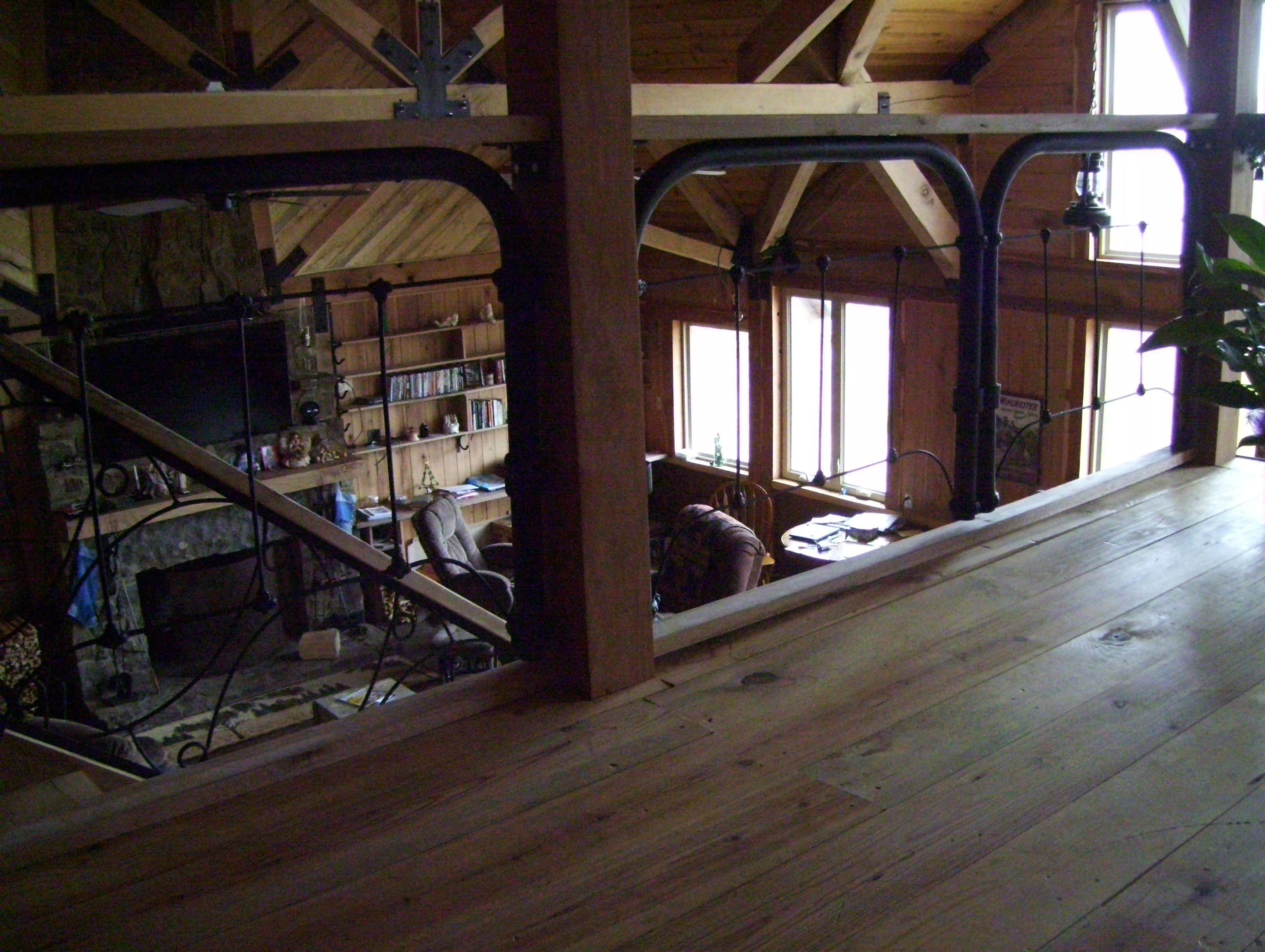
It was mentioned that Tom never misses an opportunity to visit closeouts and auctions. Below is a collection of products provided by Tom’s ingenious skill with what most would pass up as useless items.

0015AA

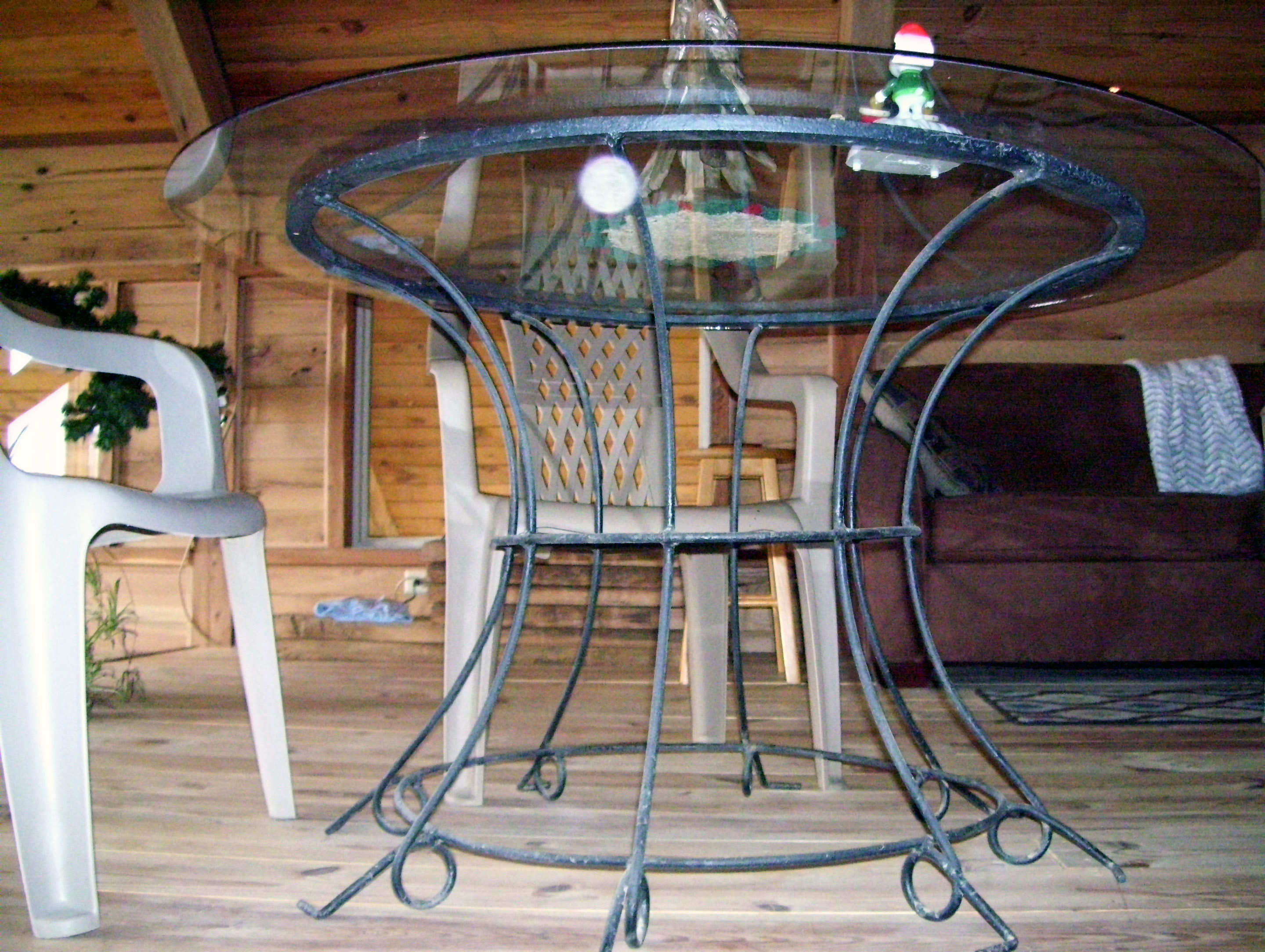
Figure 1 Balusters are old bed frames.

0016AA

Figure 2 Recognize an antique hay rake?

0017AA

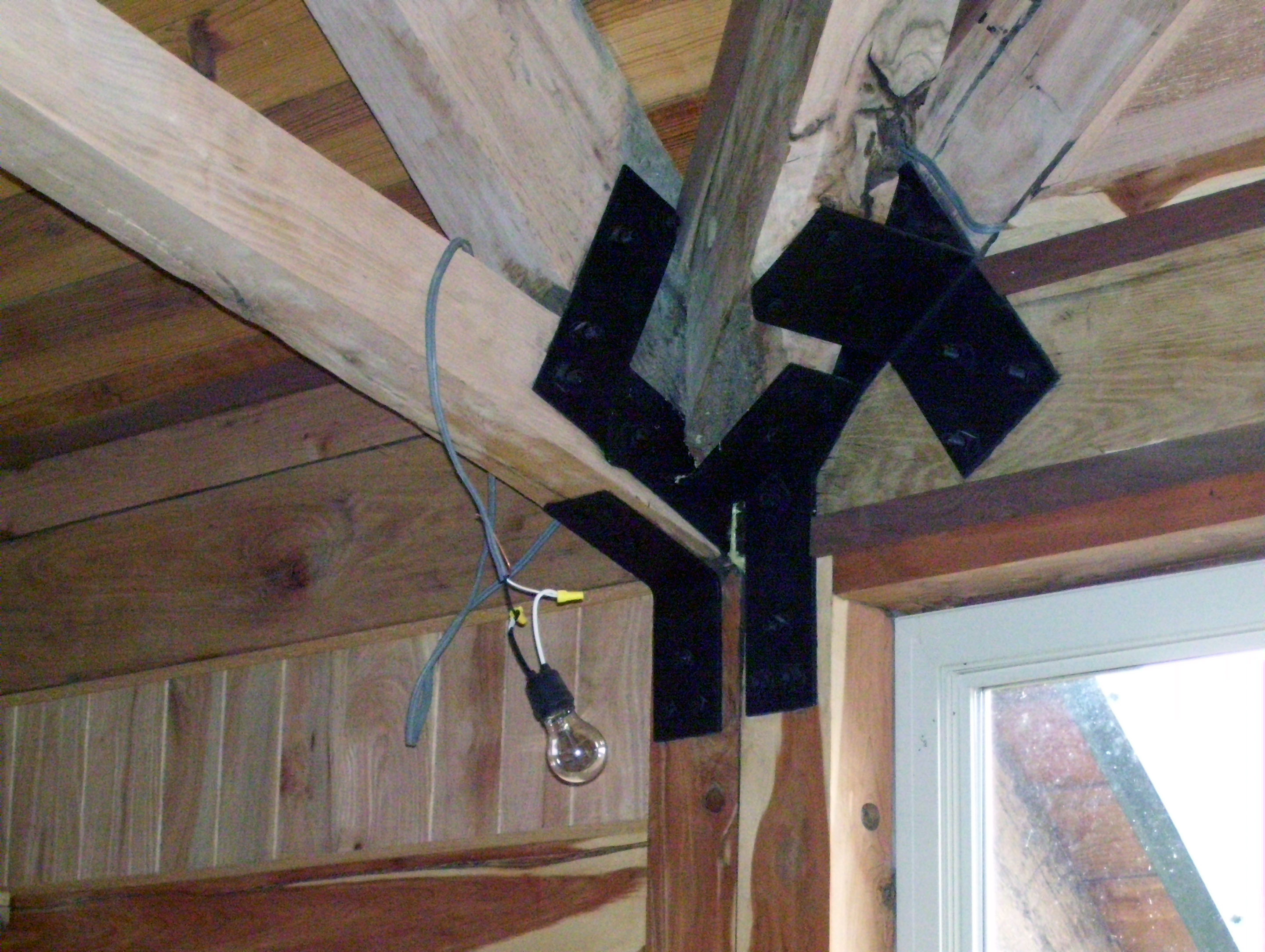
Figure 3 These connection brackets took some thought.

0019AA

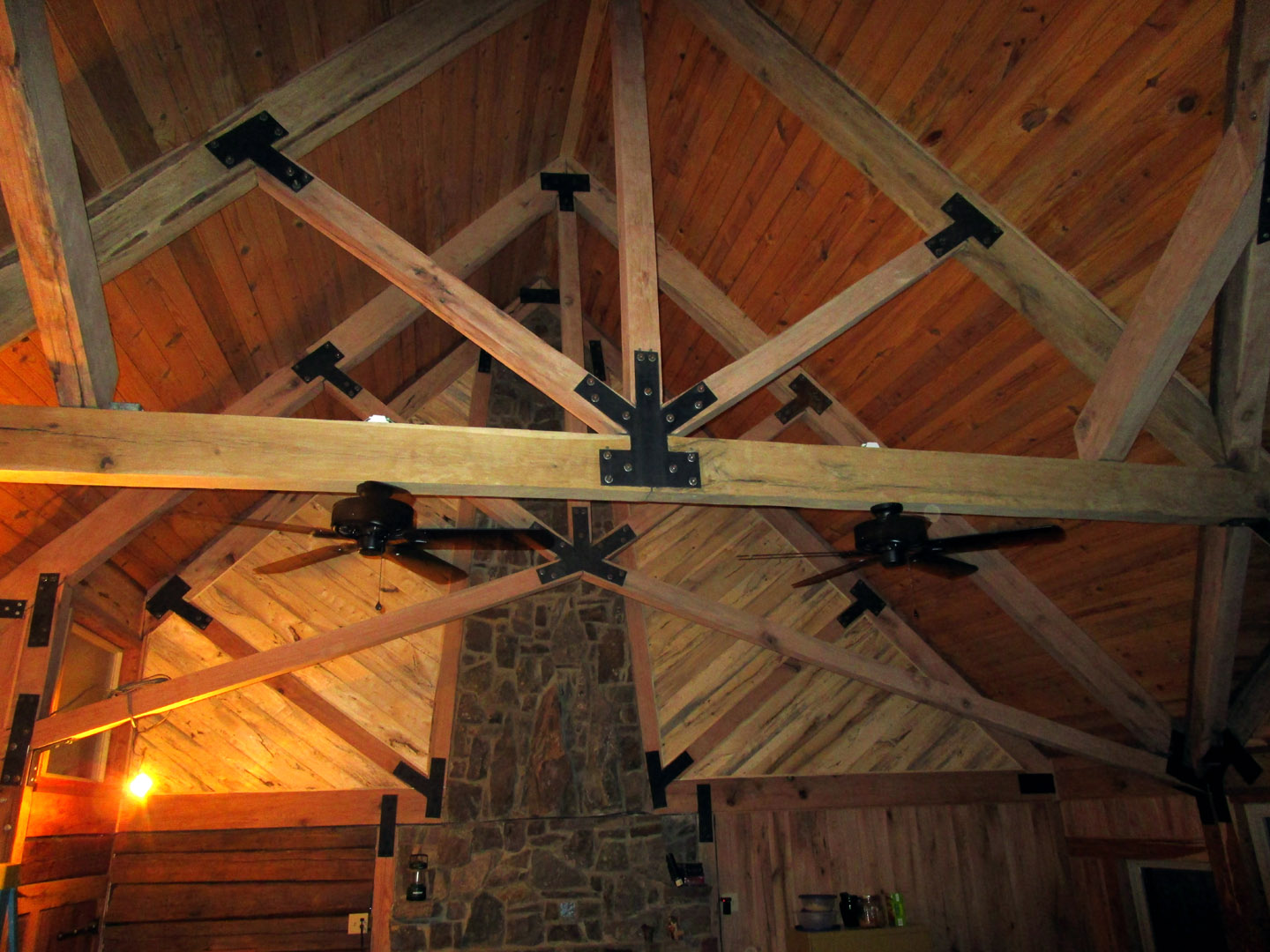
Figure 4 Some things one can’t build by one’s self.

REFERENCE SECTION

Reporting on the monkey head transplant, mariner can understand that many readers considered this story as something out of the fringe crazy folks. From all efforts to confirm the story, mariner is confident the head transfer was made. A similar transplant occurred as early as the 1970’s. However, in a BBC article, a rational (if judgmental) evaluation is made by a mainstream neurosurgeon. See: http://news.bbc.co.uk/2/hi/health/1263758.stm

Cybernetics

Here and there, page six articles are appearing that suggest a contraction in DotCom investment. Hyperbolic headlines predict another ‘bubble’ collapse similar to that in 2000. Indicators are that the big old giants (IBM, Oracle, etc.) have eroding markets; further, there are only so many incremental improvements in Apple products and only so many market-worthy apps before app integration emerges. The mariner’s career was in the era of system integration at the customer level – that is taking discombobulated subsystems and developing new integration efficiencies primarily through the development of super databases. Today, that solution has evolved into cloud solutions; the era of customer-based data centers is over. The big IBM operation in the basement of a corporation is on its way out – just plug into a cloud.

The same is true of home-based processing. New 4G devices press subscribers to store data on proprietary clouds rather than on independent, home-based hardware. Very soon, as individuals upgrade their home operating systems, they will discover that owning operating system disks is no longer possible. The home user will have to rent operating systems and integrated programs like MS Office, Photoshop, and utility software like Norton and Firefox from the owners of the clouds – a marketplace more akin to Amazon.com than to an independent retailer. It is similar in function to the mariner developing new integration efficiencies in 1990-2010.

As any technology ages market pressures require that investment cash flow remain high. This is accomplished by functional integration. It happens in every industry. At the moment, there is a pause as automated information industries look for the next integration. Many prognosticators suggest that 3-D will be the next innovation: the TV screen will become your room – not just a screen – dress decently before you answer your deviseless voice from somewhere phone; a 3-D pad will float in front of you so you can punch emoticons; are you a gamer? Prepare to be your own warrior – electronic champions will be passé.

The mariner postulates simplistic examples that require huge processing capabilities – beyond even the latest in memory processing technology. To the chagrin of the mariner, privacy and security may be a memory as each of us becomes an amalgamated function to create integrated information.

Today, perhaps it is not a bubble collapse but just a gathering of the troops for the next invasion.

Ancient Mariner

Of Monkeys and Metamorphosis


It’s too bad Joseph Campbell did not live to see a metamorphosis performed in a hospital operating room. Campbell had a clear understanding about consciousness, and its ability to press for life beyond duality. Metamorphosis is the experience of Jesus on the cross; Jesus is able to disassociate consciousness from the body – simply a container to feed the spirit. Pain, human history, and self-centeredness fall away.

A few days ago, it was announced that surgeons successfully transplanted an entire skull from one monkey to another. Immediately, so many questions filled the mariner’s head:

Given the first head’s disassociation from its body, did the first head experience metamorphosis?

Did the replacement head experience metamorphosis when it was removed from the contributing body? Was there confusion about the consciousness of self when it was associated with another body?

One can hope both monkeys were very close in size and confirmation else the replacement brain would assume that, more or less, this is like the other monkey and would issue muscle memory instructions apropos of the previous body. One can imagine that picking the nose may well be difficult.

It is common knowledge that both nurture and nature constitute the conditions of a primate body, brain, genetic propensities, and psychological behaviors. Is handedness not an issue for the new body of the transplanted skull? Monkeys grab things with all four limbs; this could be a life or death situation high in a tree.

But mariner squanders questions on the mechanics of brain-to-body management. What would Aristotle want to know? What would Freud want to know? If the new body was addicted to alcohol or good cigars, how would the transplanted brain deal with this?

If the contributing monkey liked parsnips but the new body didn’t, how would this be resolved?

We’ll have to wait for the interviews.

Not that the previous subject brings politics to mind – well, actually it does. Donald is joined by Sarah. Oh my, oh my! Sarah associates with Glenn. Oh my, oh my, oh my!!

.

.

.

Oh my…

Ancient Mariner


The Morning Line


Here’s the morning line out of Vegas:

Hillary Clinton 10/11 91%
Donald Trump 5/6 83%
Bernie Sanders 8/1 12%
Marco Rubio 10/1 10%
Ted Cruz 12/1 8%
Jeb Bush 35/1 3%
Chris Christie 50/1 2%
Joe Biden 70/1 1.5%
Michael Bloomberg 125/1 Less than 1%
Carly Fiorina 250/1 Even less than less than 1%
John Kasich 250/1 Even less than less than 1%
Ben Carson 275/1 Even less than less than 1%
Martin OMalley 500/1 Even less than less than 1%
Rand Paul 500/1 Even less than less than 1%
Mike Huckabee 2000/1 You’ll have an affair with your favorite movie star first
Rick Santorum 2000/1 You’ll have an affair with your favorite movie star first


The significant shift this week is Donald. Bettors are moving money behind him to cover bets on other candidates that are more likely to lose. More and more, bettors think Cruz has too many negatives; note that bettors think Rubio has a better chance than Cruz. Despite Chris Christie’s feisty style, beating on Hillary doesn’t seem to be paying off. Are we ready for Hillary v Donald?

The Iowa Caucuses are ten days away. It’s time to fill in your dance card!

your_vote_counts copy

Ancient Mariner

The House that Tom Built – 2

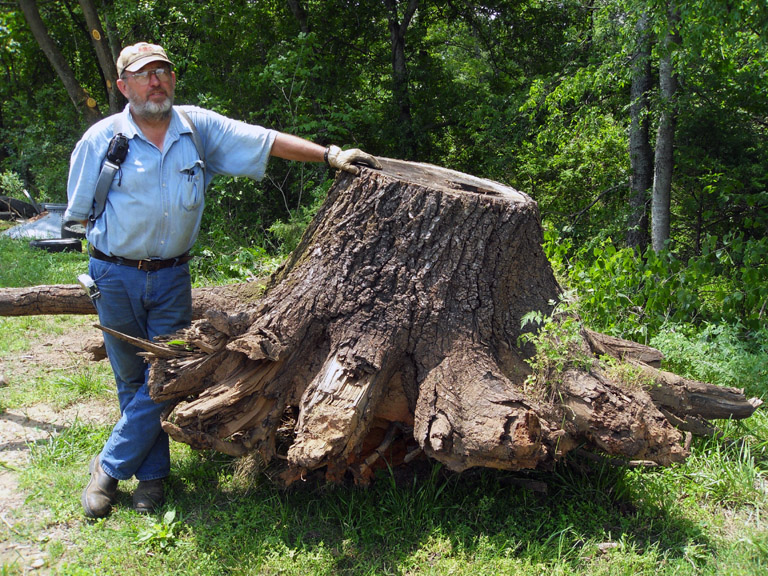
After removing several hellish stumps and after pouring a massive concrete pad and waiting a good while until it dried, Tom began putting together columns, beams and trusses. This is not a standard frame; columns are six by six inches with a few eight by eights; columns are bolted to iron brackets buried in the foundation wall (see Fig. 1). Figure 1 steel posts that will be buried in concrete to receive weight from posts. Note the bolt hole that assures the posts will never move even in a tornado!

Beams and tr0004AA Support for exterior postsusses are six by eight or ten depending on the load. An intricate truss structure strong enough to support two homes will rise into place with the help of a giant crane.

When the house is completed, this massive truss and beam will come to life as a work of art. One can watch stress and load move across this superstructure as though it were flowing water – a poetic edifice that induces wonderment.

0006AA

The entire house is encased in wood: ceilings, walls, nooks and crannies, and floors except for the main open space. The mariner counted at least eight kinds of tree lumber in the house – including a hackberry wall in one of the baths. One doesn’t use hackberry very often because its markings tend not to be stable. Tom pulls it off, however, in a striking pattern.

Anyone who has built a house from scratch knows it is not a one step forward experience. There are one or two steps backward as well.

0010AA

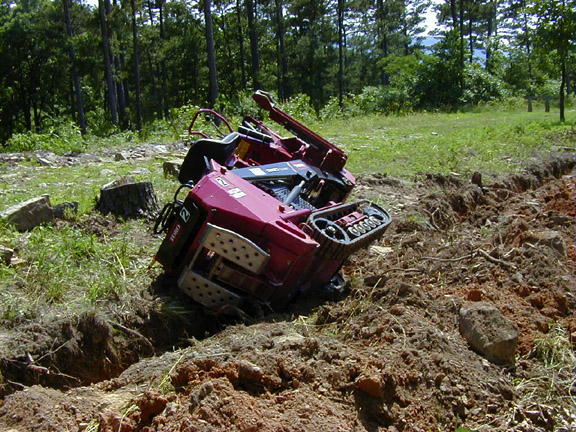
Tom had just raised the trusses over the kitchen and bedroom on the first floor when a severe Arkansas storm leveled the superstructure – 6×8 inch beams and all. Further, as anyone knows who has taken on a similar project, there are those days… A few photographs to show backward steps:


0012AA0013AA


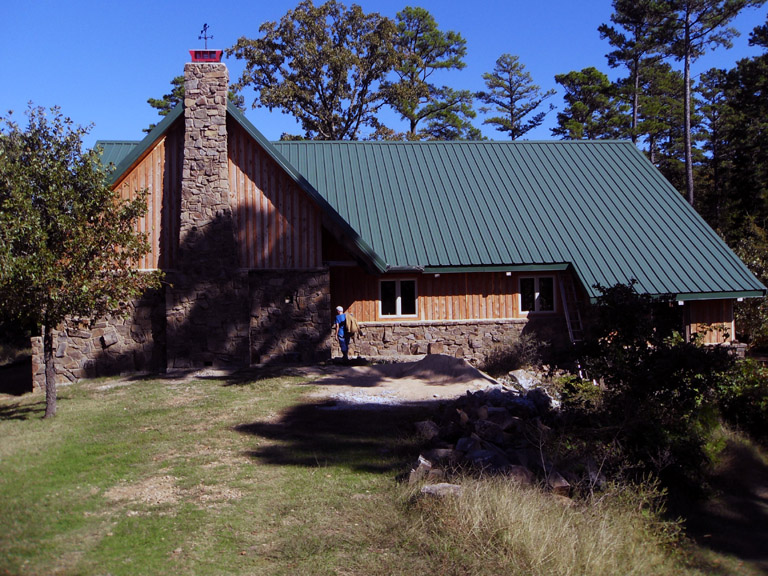
Finally, one can see the end in sight, er, not 4 or five years – more like 11 and counting. Being a guest in the home is a breathtaking experience mariner is unable to represent in this post. It is a piece of art in the Arkansas backcountry.

batts on boards

Ancient Mariner

The House that Tom Built

Think first of someone with the talent of an artist: that intuitive awareness that most of us can appreciate but never emulate; think da vinci; think the Statue of Liberty by Bartholdi and Eiffel; think Eiffel Tower by Eiffel; think the Vietnam memorial by Maya Linn; think Frank Lloyd Wright. These artists have intuitive creativity enriched by a requirement for function – Pablo Picasso and Andy Warhol need not apply. Now you understand the intuitive genius of Tom.

Tom is not famous; his artwork is not easily reproduced nor, perhaps, not widely wanted in an age when upscale homes must flaunt expensive materials, artificial elegance, Pier One decor, and look-alike neighborhoods. Tom never considered himself an artist. That awareness probably would have restrained his creative eye and certainly would have affected his enjoyment. Tom’s career as a PhD in soil microbiology and working for large agricultural chemical manufacturers similar to PPG and Uniroyal also was creative when he was presented with a new biological chemical to analyze or sent to a golf course or a farm or park because someone had to identify an unknown cause for poor plant performance. It was Tom who sent mariner a bottle of “stuff” to keep his Poinsettias from growing lanky after Christmas.

Tom had a dream. Long before he retired, Tom began drawing his dream house. Drawings that eventually had detail like how many square-nut half inch bolts he would need. He kept his drawings on laptop software to retain measurements and scale and how many two-by fours are needed – as if Tom knew what a 2×4 was. If he needed one, he would cut down a tree, cut the tree into large planks, dry the wood for a year in a specially heated school bus AKA wood drying kiln, run the plank through a planer and jointer, and then cut 2×4-inch pieces (real 2x4s, not 1 5/8 by 3 5/8).

Tom has a loving and extremely forgiving wife. She asked, as Tom finally retired and committed himself to building the house, “How long?” “Oh, about 4-5 years,” he said. Tom didn’t mention that first they would have to build and live in a small house and giant workshop. Tom quickly gained a reputation for identifying a project – which, one discovered, required another project before that one, and another before that one, and another before that one. The reader and mariner will go to a lumber yard on Saturday to buy some materials. When Tom said he was ready to start framing, that meant he had to build a sawmill, buy a school bus, retool the front-end loader so it could function like a fork lift, cut down and square 20 acres of trees, dry the bulk lumber for a year, cut the rough wood into framing pieces, and make massive steel plates to hold trusses together.

Tom is a skilled welder. By welding this and welding that, he has created, resurrected or modified tools from broken angle iron to major equipment like forklifts, front-end loaders and jeeps – redesigned to achieve unique tasks. The home handyman envies Tom’s collection of used and restored heavy duty saws, planers, jointers, sanders, routers, endless jigs and drills. Mariner wanders Tom’s workshop in awe of the nameless tools and devices made to accomplish unique tasks on a grand scale. For example, to turn the bus into a kiln, he welded steel drop down covers for the bus windows. These allow regulation of temperature; he installed a large heater – some would say a small furnace – to achieve the high temperatures needed.

Tom also is a perpetual visitor to auctions, sellouts of closing stores, lumber yards, farms and private sales of lumber, steel, plumbing supplies (Tom could start a museum about plumbing and heating), and, as his wife, the reader, and the mariner might consider – junk. One must admit that it is junk but Tom sees in it an artful reuse for a future project. Artful, indeed, as his artist’s eye will transform it into a tasteful creation or a needed function.

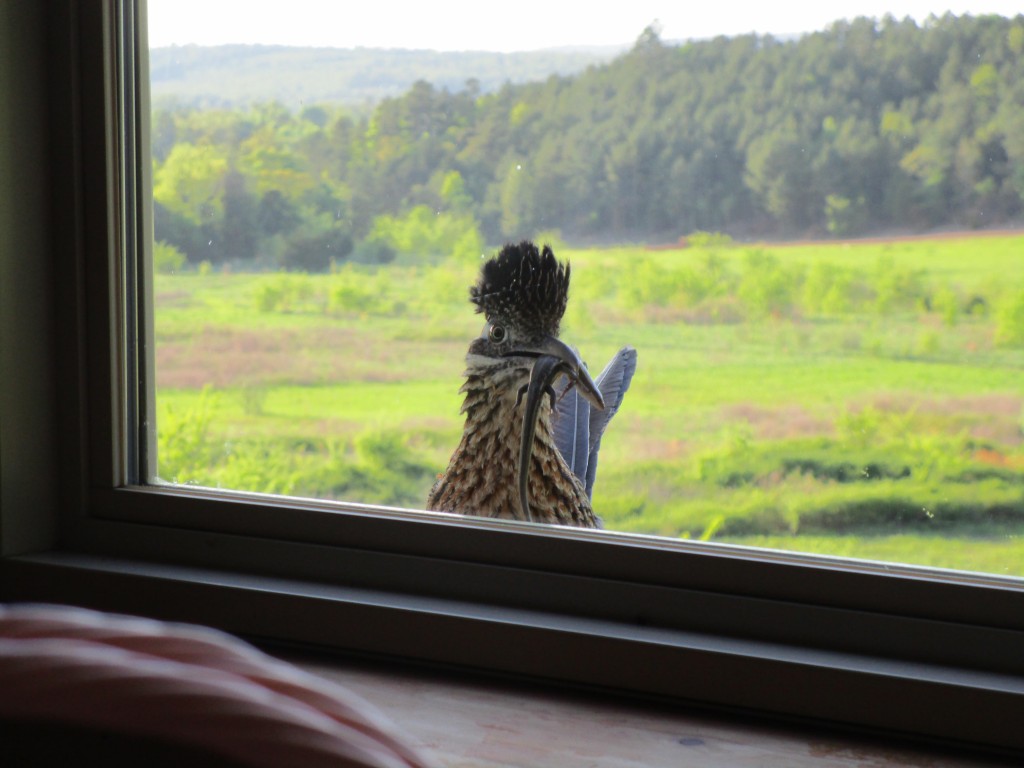
1-Sharp Tailed Grouse with skink for breakfast; Serengeti in background.

 Tom is blessed that he owns 120 acres as his share among his siblings. The house site sits on a high hill overlooking a large field that once had grazing cattle but now has an idyllic Serengeti appeal. Wildlife abounds in this remote region of Arkansas. Deer families roam the ‘Serengeti’ as if they were Thompson’s Gazelles. An unexpected visitor for those not familiar with this part of Arkansas is the domestic but feral hog; not the razorback or the peccary – but a relative of Wilbur. They are destructive as hogs tend to be and willingly tear up gardens much worse than Iowa rabbits. Tom converted his father’s cattle trailer – made from cattle fence and metal posts – into a hog trap that catches them alive. Tom and his wife make sublime smoked pork!

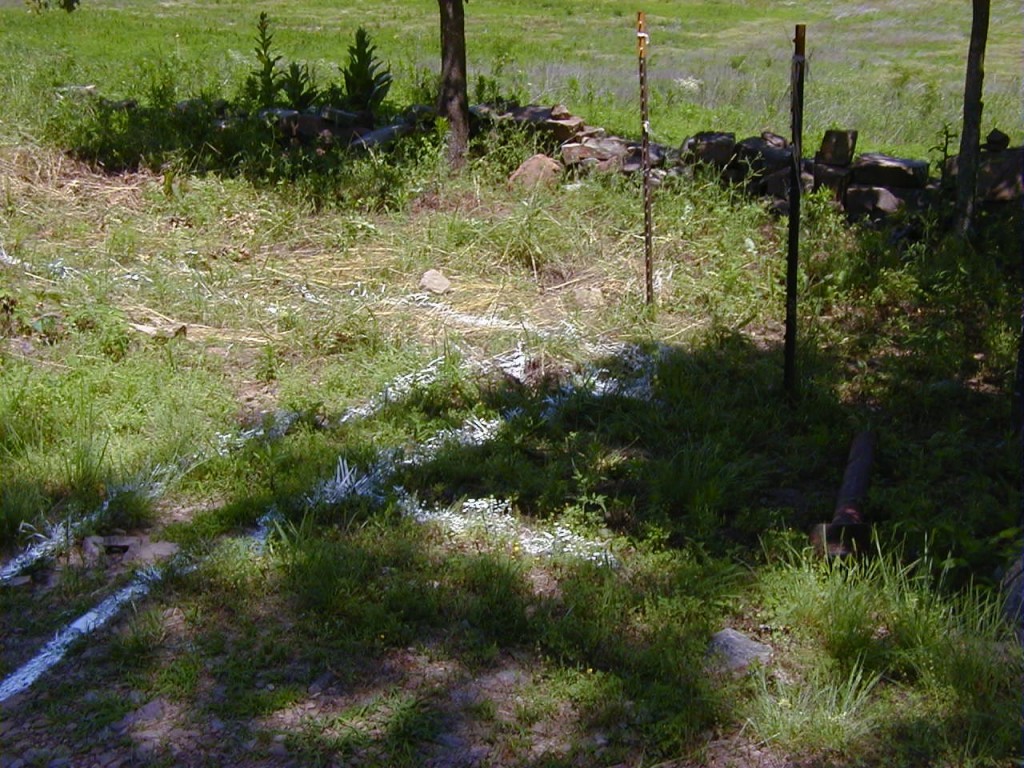
The project began in earnest around 2003-2004 when Tom laid spray paint lines on the location. (More in another post.)

REFERENCE SECTION

  • Stephen Hawking is doing a series for BBC wherein he says the human race will disappear sometime between 100 and 10,000 years but not to worry: the human seed will live on in space – if we make it through the next 100 years! Buy your ticket now. See:

http://www.cnet.com/news/stephen-hawking-were-about-to-wipe-ourselves-out-but-dont-worry/

  • The reader may be aware that for years US News magazine has ranked US colleges and Universities using an elaborate set of conditions; the effort has drawn general praise by readers and education pundits. Now US News has applied its research model to nations ranked from the best country to live in to the worst country to live in. It ranked 60 nations. The US came in fourth behind Germany, Canada, and the United Kingdom. The website is interactive so the reader can drill down into a country’s stats and history. See:
  • http://www.usnews.com/news/best-countries/overall-full-list
  • Fareed Zakaria has a Sunday show on CNN (Global Public Square aka GPS). Mariner has recommended GPS in the past. This past week (1/17), he focused on radicalism and how social media is the hotbed of radicalization. Zakaria points to a recent personal experience where atrocious lies about him were posted and went viral (called trolling). See Fareed on CNN https://twitter.com/FareedZakaria/status/689238727818932228 or read about his recent attack from social media in his column in the Washington Post. https://www.washingtonpost.com/people/fareed-zakaria

Ancient Mariner

The Iowa Caucus Cometh

It is probable that Mariner has harped too often about how important the 2016 election is. However, it is true. And in a few days Iowan readers will participate in phase I of the election process – the Iowa Caucus. Soon thereafter until July, all other states and territories will participate as well.

To let the mariner rest assured he has done all he can to help voters understand the importance of their vote and the issues that the voter is actually deciding, whether directly or by inference, the mariner provides the final countdown list for casting the voter’s most influential impact in the caucus/primary and in November.

  1. Identify the key issue that you want to promote in this election. The broader it is, the better it is. For example, a narrow issue is whether to provide a path to citizenship for resident immigrants. Many voters stop here and cast an emotional opinion based on racism or on conscientious treatment. Mentally step up a level and think about cultural, historical and economic ramifications; how will the immigration issue help or hinder each of these; what subsequent issue may emerge; will that subsequent issue be on a path to improvement for our country?
  2. What legislation, government attitude, or new action must be changed to help the key issue in number 1?
  3. Quickly research each candidate on websites, news sources, and use your computer search engine to search the candidate’s history and future commitments that will affect you key issue. This task, though a quick one taking minutes to an hour, is not usually used. Instead, a voter usually listens to friends, talks with co-workers and family. In 2016, however, it is true information about the candidate, not gossip or news broadcasts that will magnify the accuracy and influence of your vote.
  4. Disregard incumbency, appearance and popular personality. Too many popular, attractive, schmaltzy incompetents are elected on these characteristics alone. Avoid evaluations like “With which candidate would you feel more comfortable having dinner?” Instead, ask a similar question: “With which candidate would you feel more confident when you hand your key issue to them?”
  5. Consider political ramifications. Any elected President will need at least one Congressional house to successfully adopt your issue; on the state level, which candidate will address gerrymandering, or infrastructure, or unions, or health care – all are local issues that will promote or defeat your key issue as the near future plays out.
  6. Finally, ask yourself whether a candidate wants to promote new, modern solutions that will move the US and your key issue forward or whether the candidate berates current conditions with a desire to stabilize or remove ‘troublesome’ programs to return to solutions that have existed in the past and denies exploratory opportunities for uses of budget, civil service, and unanimity among classes, races, education – and perhaps your key issue.

The last point is the key issue for the mariner. The broadest level is addressing all our nation’s antiquated solutions that have not helped the nation to date and likely will block progress when progress is the answer. At this moment in US history, the only important question is “Will the nation and its population experience a fresh wind in the decade following 2016?”

Ancient Mariner

REPORT TO READERS

This is a quarterly report of transactions on iowa-mariner.com for the last ninety days. A reader in each city has read the mariner’s website at least once each month; the exception is Phoenix where the mariner’s family spent several days. Many readers read several posts on each visit.

Readers were from 15 nations:

United States (240 readers)             Belgium (1 reader)                Kenya (1 reader)

Brazil (14 readers)                            Canada (1 reader)                Cambodia (1 reader)

United Kingdom (2 readers)             Algeria (1 reader)                  Philippines (1 reader)

India (2 readers)                              Ecuador (1 reader)                 Sweden (1 reader)

Italy (2 readers)                               Indonesia (1 reader)               Venezuela (1 reader)


Readers were from the following cities1


1. Grinnell  21. Sioux Falls  41. Las Pinas
2. Phoenix (n/a)  22. Casas Adobes  42. Boras
 3. Hyattsville  23. Edegem  43. Coachella
 4. Carney  24. Fortaleza  44. Irvine
 5. Fort Madison  25. Curitiba  45. San Diego
 6. Los Angeles  26. Londrina  46. Chicago
 7. Denver  27. Porto Alegre  47. Hays
 8. Donnellson  28. Cacador  48. Seneca
 9. Branson  29. Imbituba  49. Kansas City
 10. (not set)  30. Campinas  50. New York City
 11. San Antonio  31. Sao Paulo  51. Oklahoma City
 12. Crestline  32. Pickering  52. Houston
 13. Glendale  33. London  53. Salt Lake City
 14. Centerville  34. Reading  54. Madison
 15. Great Bend  35. Jakarta  55. Caracas
 16. El Paso  36. Mumbai  56. Iguatu
 17. Lawrence Township  37. Kolkata  57. Itapevi
 18. Rio de Janeiro  38. Ancona  58. Lagoa da Prata
 19. San Francisco  39. Francavilla Fontana  59. Sumare
 20. Las Vegas  40. Phnom Penh  

The highest daily access was 120 readers with an average of 87.

1 23% of readers were not included because they did not access the website three months in a row.

REFERENCE SECTION

The mariner has been searching for a reasonable voice to add to coverage of this strange 2016 campaign. There are many who qualify but the mariner has settled on Tavis Smiley. Smiley is a voice inadequately heard on mainstream news analysis (if one considers PBS not mainstream). Tavis is not a name in the book world; he has published none save a biography that was ghost-written. However, he has made short subject videos about many issues and hosts his own daily show on PBS as well as a weekend show. Periodically, Tavis Smiley may appear on CNN and MSNBC. To those who are unaware of his political/cultural contributions, his claim to fame is that he is married to Fredricka Whitfield, an anchor on CNN.

For example, as a pundit Smiley offers insights that dig into the rhetoric of Donald, he leaves the candidate looking like the empty box he may be. Tavis is African American; many of his topics reflect African American priorities but not out of context with the larger citizen issues of our time. He states as a matter of fact that Donald will carry “few if any black voters.”

Tavis Smiley is sensitive to the cultural crisis that exists in politics today and judges candidates on their intent actually to break the many roadblocks and step into the future. For sample shows and website, see:

Website: http://www.tavistalks.com/

PBS videos: http://www.pbs.org/show/tavis-smiley/

Smiley comments about campaign: http://www.bing.com/news/search?q=PBS+VIDEO+Tavis+Smiley&qpvt=pbs+video+tavis+smiley&FORM=EWRE

Ancient Mariner